


Office Space Set-up in Japan
Securing appropriate office space is a key step in establishing business operations in Japan, particularly for foreign entrepreneurs applying for a Business Manager visa. Below is an overview of office types, key requirements, and the general rental process.
1. Importance of Office Selection and Contracting
Securing an office space is important for several reasons. It helps to demonstrate that your business has a genuine presence in Japan, and it is also a key requirement for foreign entrepreneurs applying for a Business Manager visa.
Additionally, an office address and lease documents may be required as proof of business location when opening a corporate bank account, so choosing the right office is essential.
STEP supports foreign companies in selecting offices for establishing a company in Japan, taking into account factors such as the intended visa status and budget. We also provide support for accompanying office viewings and interpretation for contract procedures as needed.
1-1. Main Office Requirements for the Business Manager Visa
- Contract holder name: The lease must be under the company’s name.
- Permitted use: The contract must clearly state business use (e.g., office or shop).Residential use is not acceptable.
- Home as office: Generally not permitted except in limited cases where strict conditions are met.
- Substantive set-up: The office must have a real operating presence (e.g., phone, desks, computers, copier) and be able to receive mail and visitors.
- Independence: Must have a private space separated by walls and doors, and be independent as an office. Co-working spaces or virtual offices shared with others are not acceptable.
- Office size: Must secure sufficient space, approximately 10m²or more, for at least one full-time employee. This may need to be demonstrated through photos, the lease, and registration documents.
- Exterior requirements: The company’s existence must be identifiable from the outside of the buildling. (e.g., signage/nameplate, company name on the mailbox).
2. Types of Offices
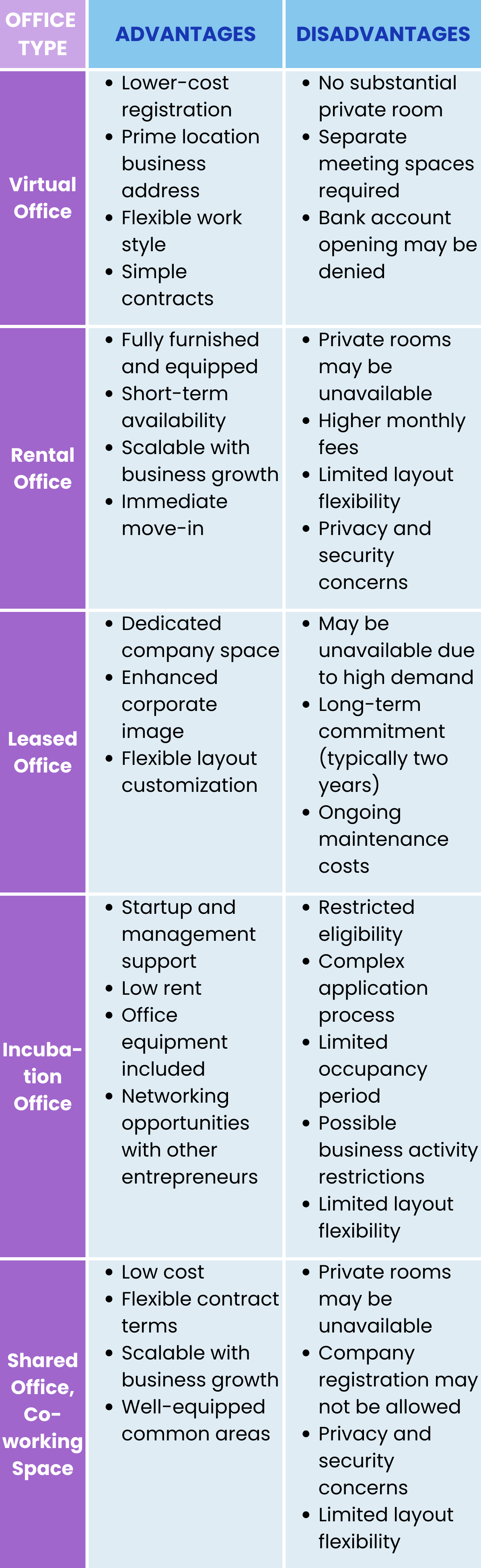
Virtual office
A virtual office provides business functions without a dedicated physical office space. Services may include a business address, telephone answering service, and mail forwarding. In many cases, it allows company registration using an address in a central business area.
However, because a virtual office does not provide a substantive office presence, it generally cannot meet the requirements for a Business Manager visa.
Rental office
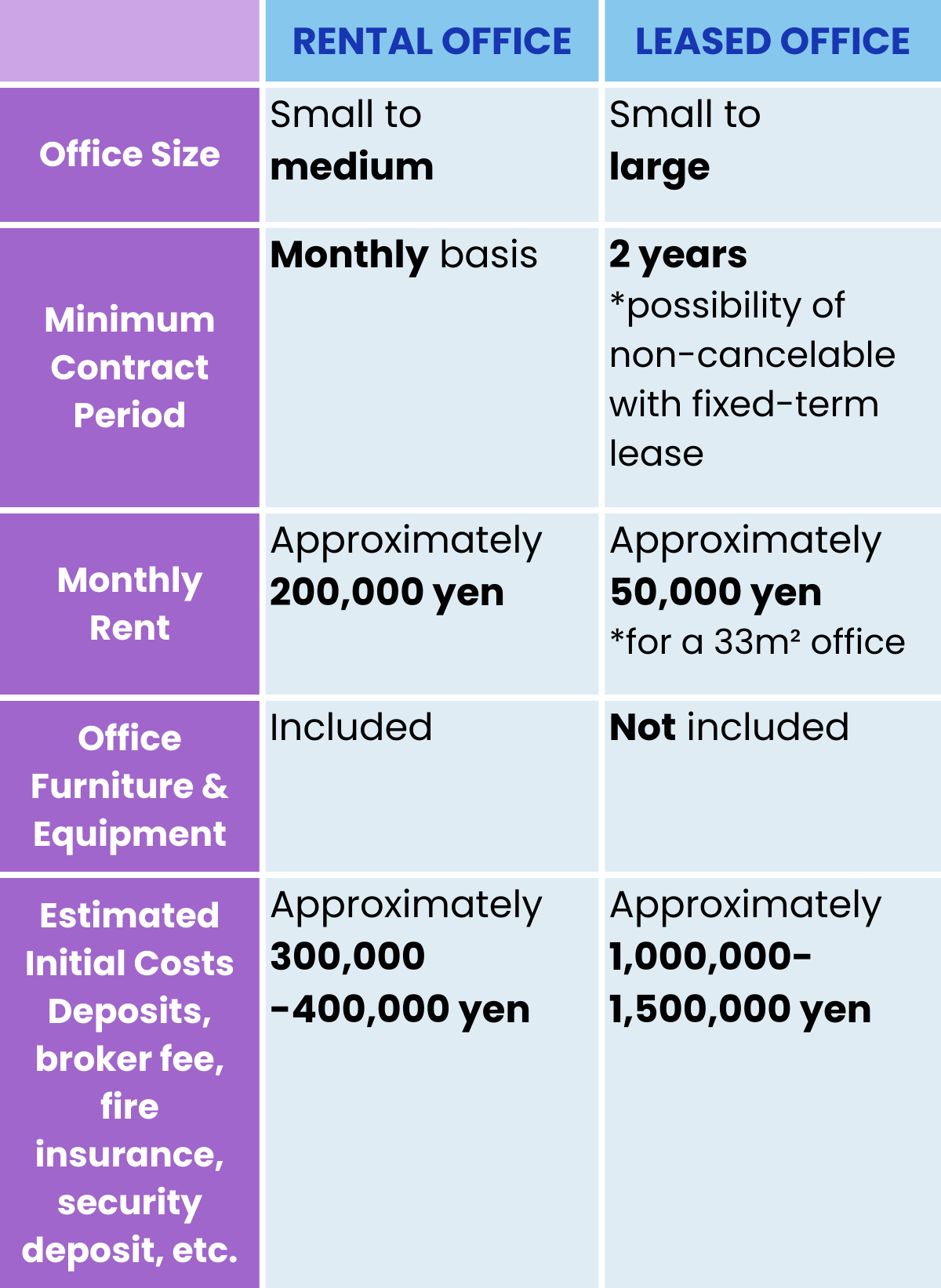
A rental office typically provides a private room with furniture and basic facilities included. It can often be rented on shorter terms and allows you to adjust space as your business grows.
In many cases, rental offices allow company registration and can meet Business Manager visa requirements, making them a practical option for startups.
Leased office
A leased office is a traditional office lease where a company rents space directly from the building owner, typically on a longer-term contract (often two years or more). Renewal fees may apply when extending the lease.
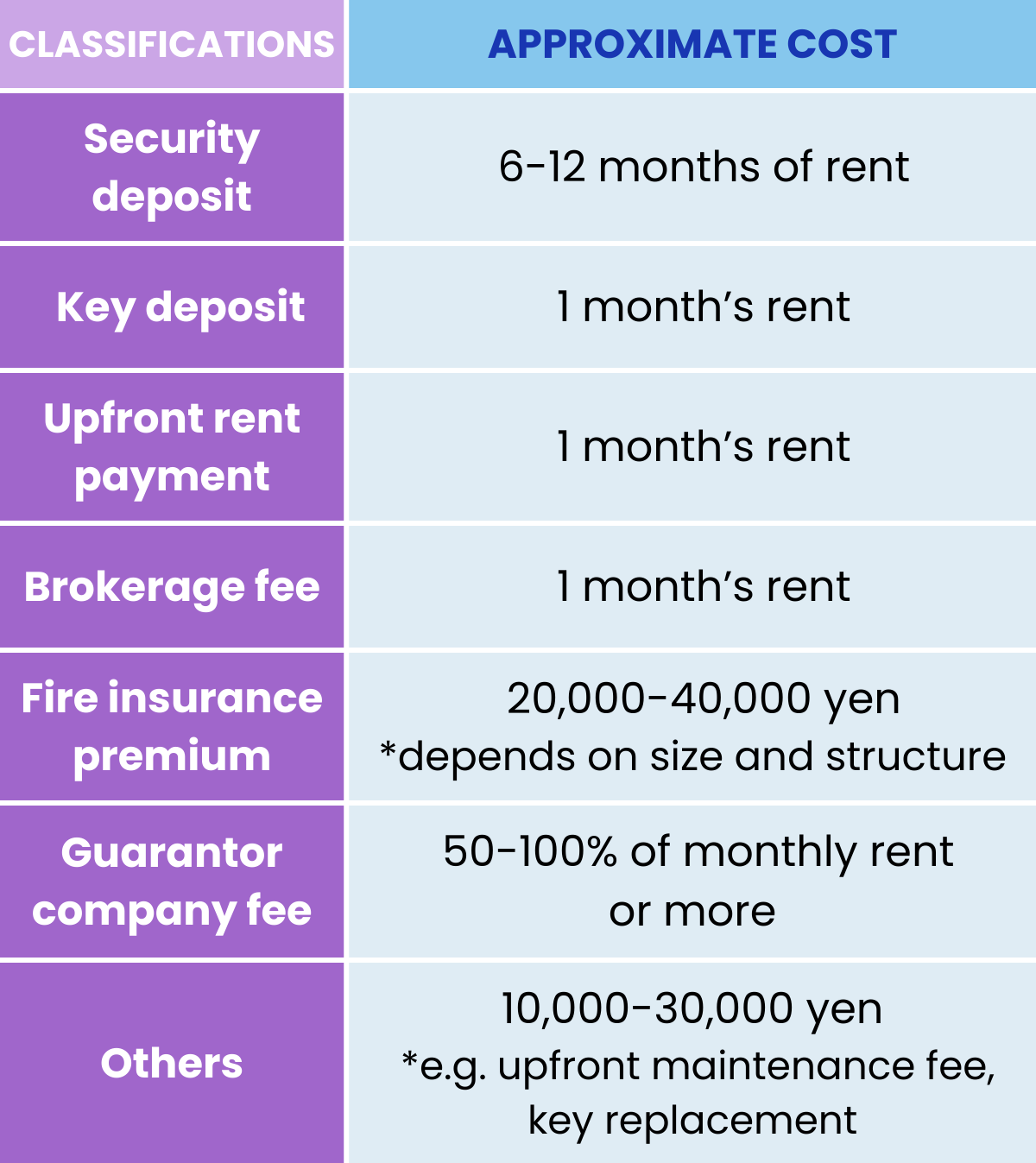
Furniture and office equipment are usually not included, so initial costs can be higher (e.g., deposits, brokerage fees, insurance). However, this format offers a dedicated space and is commonly used by established companies.
Incubation office
Incubation offices are typically run by public institutions such as prefectures and municipalities, and are designed to support startups and venture companies from their early stages.
A key feature is access to advice and support on management know-how, financial planning, and human resource networking from incubation managers with specialized business knowledge.
Shared office/Co-working space
A shared office is a space used by multiple individuals and companies, often with shared lounges and meeting rooms, and sometimes private rooms and booth-style areas. Co-working spaces typically provide an open work environment with flexible workspaces, meeting rooms, and lounge areas for individuals and small teams.
When choosing these office formats, it’s necessary to verify in advance whether company registration is allowed and whether a private, enclosed space is available, as these points may affect Business Manager visa eligibility.
2-1. Advantages and Disadvantages of Each Office Type
2-2. Comparison of Rental Offices and Leased Offices
2-3. Details for Initial Costs of Leased Offices
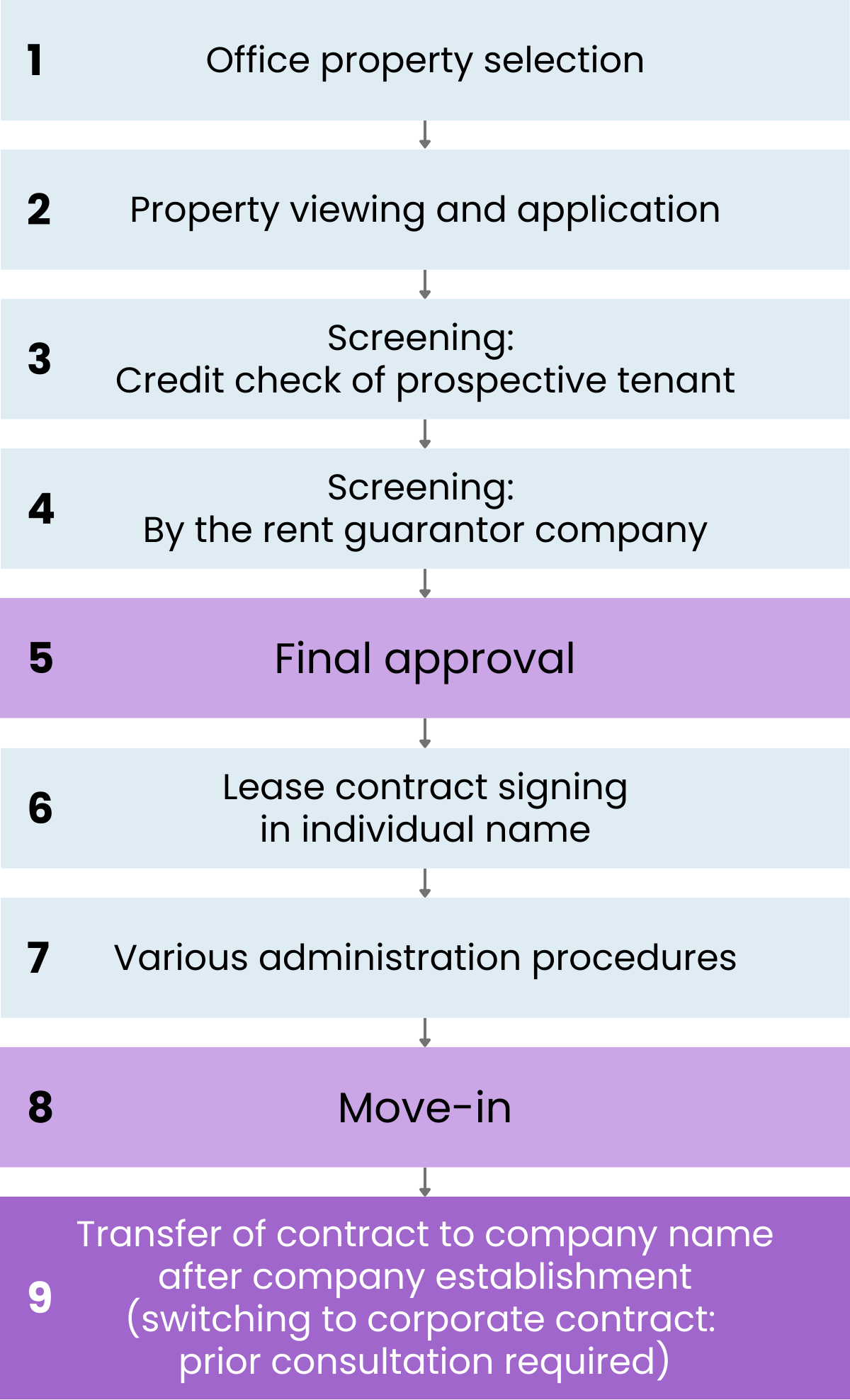
3. Overall Process of Renting an Office
3-1. When to Start Looking for an Office
Offices that meet Business Manager visa requirements are often in high-demand, including among domestic companies. For this reason, it is recommended to start searching as early as possible.
For foreign entrepreneurs, specifically, a good time would be shortly after receiving the Certificate of Eligibility (COE), or when it becomes clear that you will likely be granted your visa status.
3-2. Prerequisites for Foreign Entrepreneurs Renting an Office
- Residence Card / status of residence
- Japanese bank account
- Personal seal and seal certificate
- Japanese mobile phone number
- Japanese-speaking emergency contact
- Corporate seal and seal certificate (required when switching to a corporate contract)
3-3. Documents Required for Owner’s Screening
- Tenancy application form
- Guarantor company application form
- Certified copy of company register (certificate of registered matters)
- Copies of financial statements for past three periods (balance sheet, profit and loss statement, breakdown of selling and administrative expenses)
- Tax certificate may be required depending on screening results
- Representative’s identification documents (residence card, passport, etc.)
- Company profile materials
- Previous years’ tax return documents may be required depending on screening
- Withholding tax statement may be required depending on screening
- For newly established Japanese subsidiaries of foreign companies, equivalent documents such as financial statements from home country
- Other documents that may be requested
- Trial balance sheet
- Copy of corporate bank account
- Investment payment proof documents
- Representative’s resume
- Business plan
- Shareholder registry
3-4. Contract Process

3-4-1. Contract Document Review
- Contract terms
- Special provisions
- Cancellation/termination notice period
- Restoration requirements
- Restoration standards
3-4-2. Detailed Information on the Disclosure Statement
- Damage and liability provisions
- Contract termination conditions
- Usage restrictions
- Facility and equipment conditions
- Management arrangements (management company/contractor)
- Building rules and regulations
- Fire insurance procedures
- Confirmation of invoices and contract payment
3-4-3. Documents Required for Contracting
For an individual contract:
- Residence Card
- Identification documents
- Personal seal and seal certificate
For transferring the contract holder’s name to a company name:
- Company registration certificate
- Company seal and seal certificate
- Representative/joint guarantor’s seal and seal certificate