


Key Players
- SmartCube
SmartCube is a technology company advancing digital transformation in manufacturing through cutting-edge 3D visualization and digital twin solutions. By bridging the gap between the physical and digital worlds, the company is expanding into Sapporo as a strategic base for its growth in Japan and beyond.
CEO Lim Jisook shares her journey, the company’s vision, and why Sapporo plays a key role in SmartCube’s global strategy.
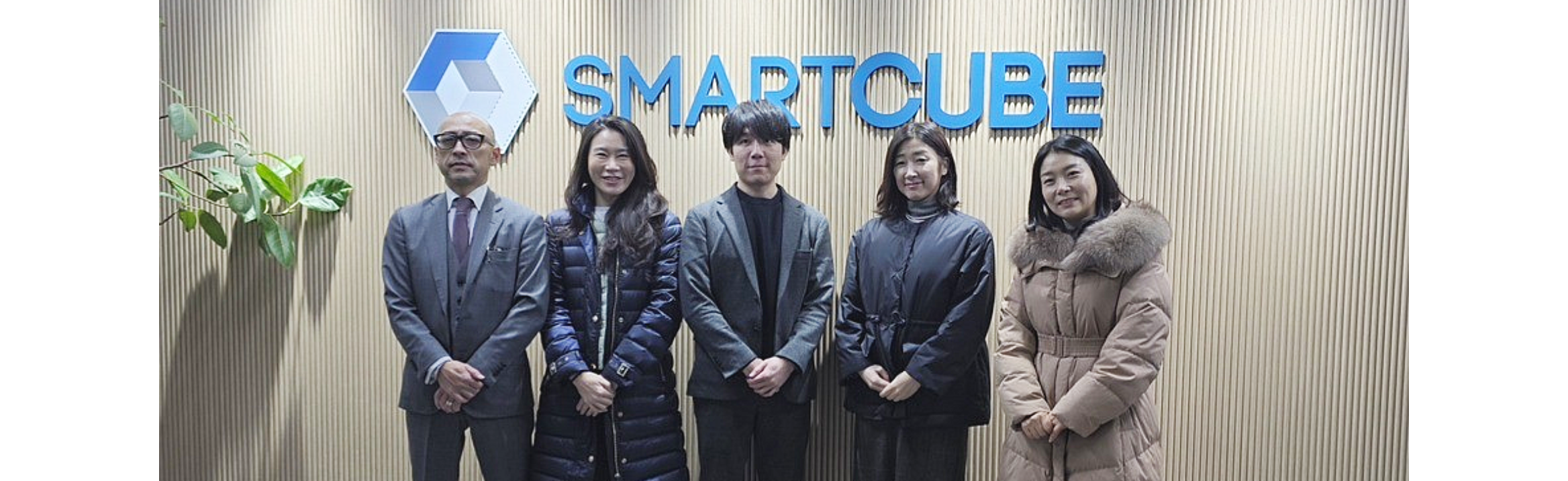
From left: Hiroshi Sasaki (Onyx Lab CEO), Seiko Miura (STEP, second from right), and Lim Jisook (SmartCube CEO, far right).
Please tell us about your company.
SmartCube transforms traditional two-dimensional manufacturing monitoring systems into immersive 3D visualizations. We enable users to intuitively interact with physical equipment and operational data in a three-dimensional environment.
In addition, we provide virtual simulation capabilities and advanced data analytics, allowing users to test scenarios and generate actionable insights that can be applied directly in the field.
Our mission is to bridge the gap between the physical and digital worlds through digital twin and physical AI technologies. By doing so, we aim to make industrial systems more efficient, intuitive, and intelligent.
We have also participated in large-scale national projects in Korea across industries such as energy, chemicals, and steel, building a strong track record in delivering digital transformation solutions.
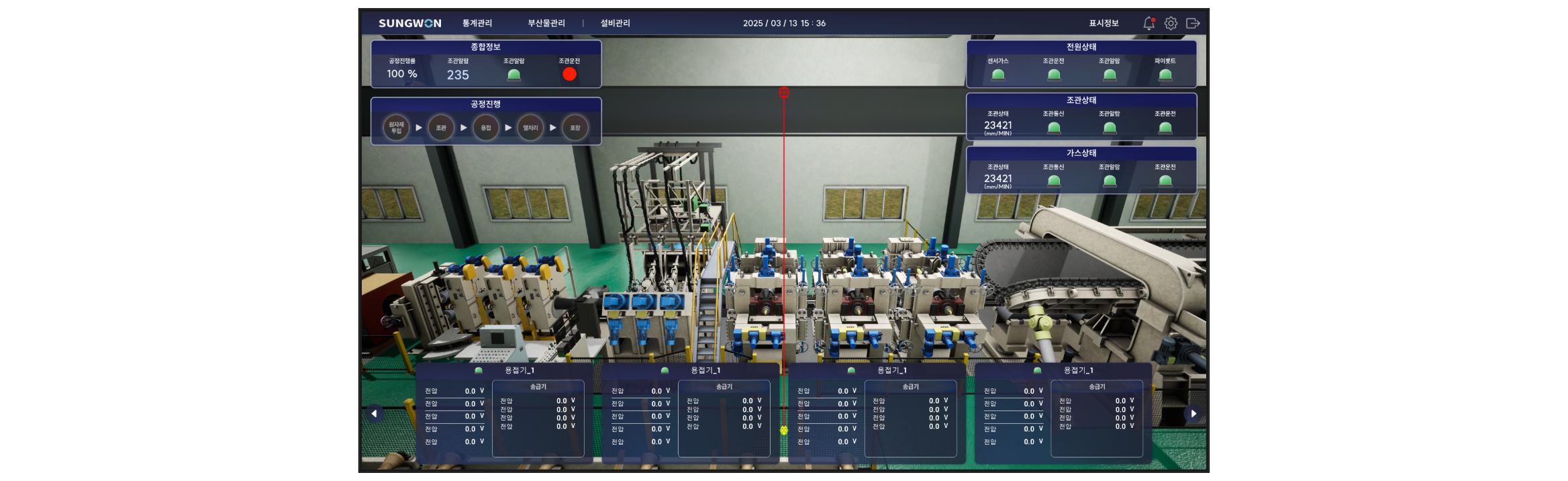
Real-time 3D monitoring of a steel manufacturing line using SmartCube’s digital twin platform.
Please tell us about your background.
I studied industrial engineering and industrial systems engineering and completed my master’s degree at Chonnam National University in Korea. Before founding SmartCube, I gained experience working in manufacturing environments.
Through this experience, I became interested in how digital technologies could improve industrial processes. Together with our CTO, I have been developing SmartCube’s business in the digital twin industry.
A digital twin is a virtual representation of physical systems, enabling real-time monitoring, simulation, and optimization. It is a key technology driving digital transformation (DX) across industries.
What made you interested in expanding your business into Japan and choosing Sapporo?
Japan has a highly stable industrial landscape and a large market scale, making it a very important market for SmartCube. In addition, there is strong momentum toward digital transformation and the adoption of digital twin technologies.
We chose Sapporo because of its rich ecosystem of IT partner companies and its exceptional quality of life, which is very important for long-term operations.
On a personal level, I also have a strong connection to Hokkaido, as I lived there for one year as an exchange student. I experienced the warmth, kindness, and openness of the people in Sapporo, which made a lasting impression on me.
In business, who you work with is very important, and we felt that Sapporo would be the right place to build strong and meaningful partnerships. In business, who you work with is very important, and we felt that Sapporo would be the right place to build strong and meaningful partnerships.
Why did you choose Sapporo over other major cities such as Tokyo?
SmartCube has previously succeeded in Korea by focusing on regional industries outside the capital. For startups, efficient resource management is critical.
We believe that focusing on a regional hub such as Sapporo is more strategic and efficient than targeting the entire country from Tokyo. This approach allows us to build deeper relationships and create more focused impact within a specific region.
What challenges did you face when entering the Japanese market, and how did you overcome them?
Entering a new market means that everything is new. While some aspects are similar to Korea, many processes are different and can be challenging.
However, we received strong and consistent support from the Sapporo Transnational Expansion & Partnership (STEP) team at every stage. They helped us navigate each step of the process, from establishing our office to recruiting local talent and connecting us with key partners.
Thanks to this support, we were able to establish our legal entity within about one year, while also preparing to launch our business operations in parallel.
How would you describe the support you received in Sapporo?
We received comprehensive support throughout the entire process, including office setup, recruitment, and business networking.
What makes STEP particularly valuable is that it not only supports local expansion, but also provides access to global networks, connecting us with both Japanese and international companies.
In that sense, STEP serves as a gateway not only to the Japanese market, but also to global opportunities.
What specific advantages has Sapporo provided for your business?
Sapporo offers a strong environment for collaboration and innovation.
For example, during a recent startup event in the city, we had the opportunity to meet a robotics team from Hokkaido University. This was a very meaningful interaction, and we see strong potential for future collaboration.
We are actively seeking to work with local companies, universities, and research institutions, as well as other international companies based in Sapporo.
How would you evaluate the business environment in Sapporo for foreign companies?
The Japanese market is very attractive, but having the right support system is essential when entering it.
The STEP team provides proactive and highly effective support by leveraging their global network. This has been extremely helpful for us.
Expanding into Sapporo is not only about entering a local market—it represents a strategic step toward global expansion.
How does your base in Sapporo fit into SmartCube’s global strategy?
Our base in Sapporo, operated through Onyx Lab (our business entity in Japan), plays an important role in our expansion into the Japanese market.
We are currently working to identify suitable partners for our first proof-of-concept (PoC) projects, particularly in manufacturing sectors such as energy and food production.
We are open to collaborating with startups, established companies, and international businesses in Sapporo. Through these partnerships, we aim to create synergies and expand our business not only in Japan but also into other markets such as Korea and Taiwan.
What are your future plans in Japan?
In the short term, we are focusing on digital twin solutions for energy infrastructure and Hokkaido’s food manufacturing sector.
In the long term, our goal is to become a leading company driving digital transformation in Hokkaido, and to expand our business further across Japan and internationally.
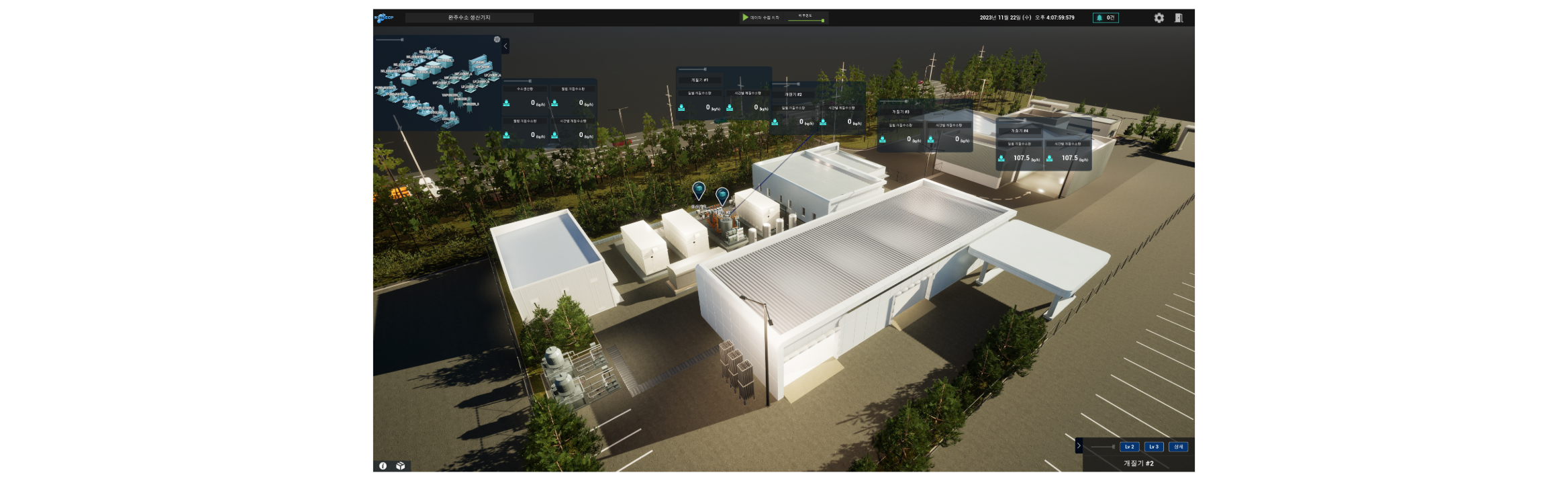
A digital twin of a hydrogen megastation, developed as part of a national energy project in Korea.
What advice would you give to other international companies considering expanding to Sapporo?
Take your time and be patient.
People in Japan, especially in Sapporo, are very warm, open-minded, and supportive. Building trust may take time, but once relationships are established, they become very strong and valuable.
What advice would you give to other international companies considering expanding to Sapporo?
Take your time and be patient.
People in Japan, especially in Sapporo, are very warm, open-minded, and supportive. Building trust may take time, but once relationships are established, they become very strong and valuable.
What message would you like to share with a global audience about Sapporo?
Sapporo is not only a beautiful place to visit, but also an excellent place to work and build partnerships.
The city already has a very international atmosphere, with global events and active communities. It is open, welcoming, and full of opportunities.
I encourage companies to visit Sapporo, meet the people, and experience the environment for themselves.
About SmartCube
SmartCube is a technology company specializing in digital twin, 3D visualization, and AI-driven solutions for manufacturing and industrial sectors. The company has participated in large-scale national projects in Korea across industries such as energy, chemicals, and steel, and is now expanding into Japan to drive digital transformation in new markets.